Playing with a Traditional Children’s Story at the Zadar City Library

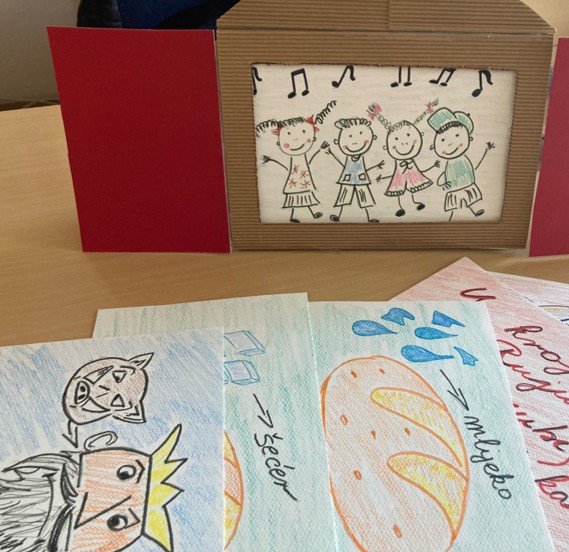
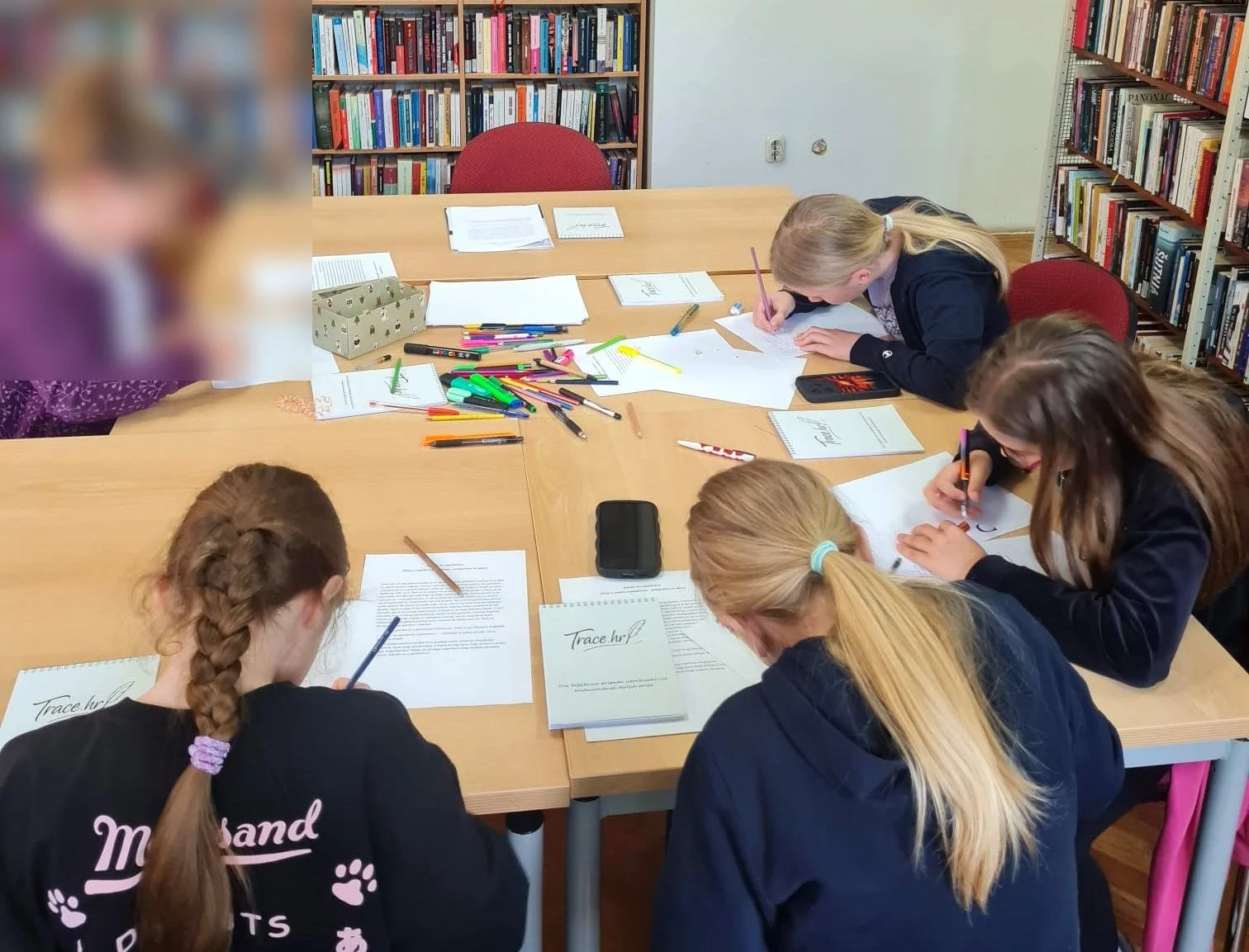
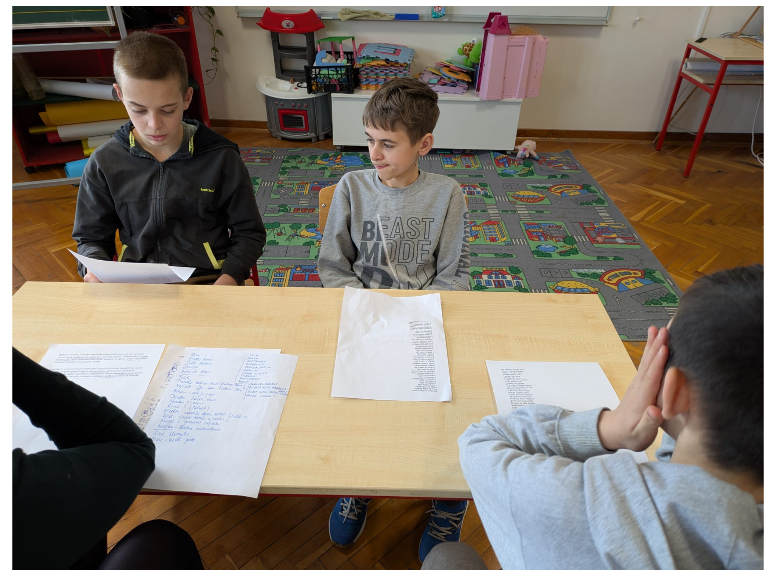
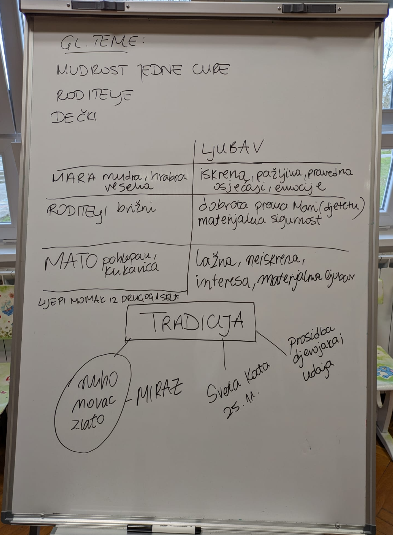
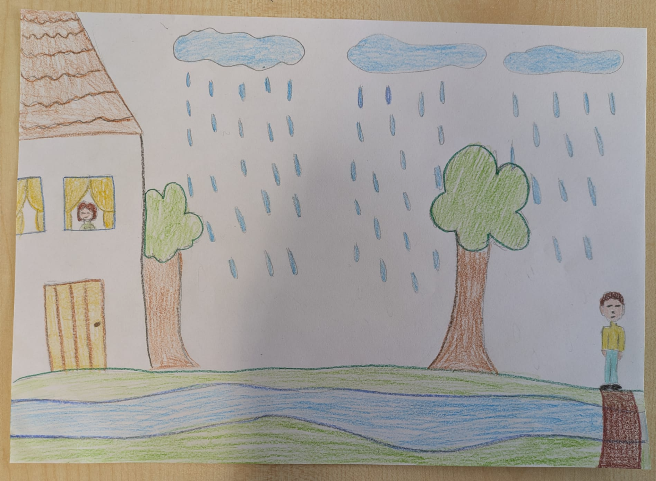
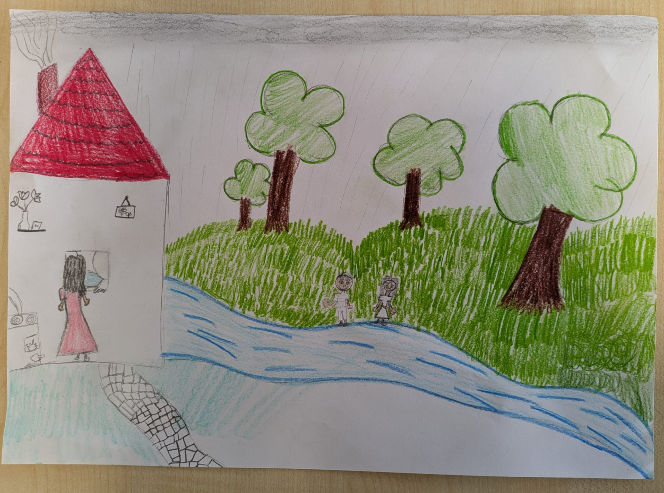
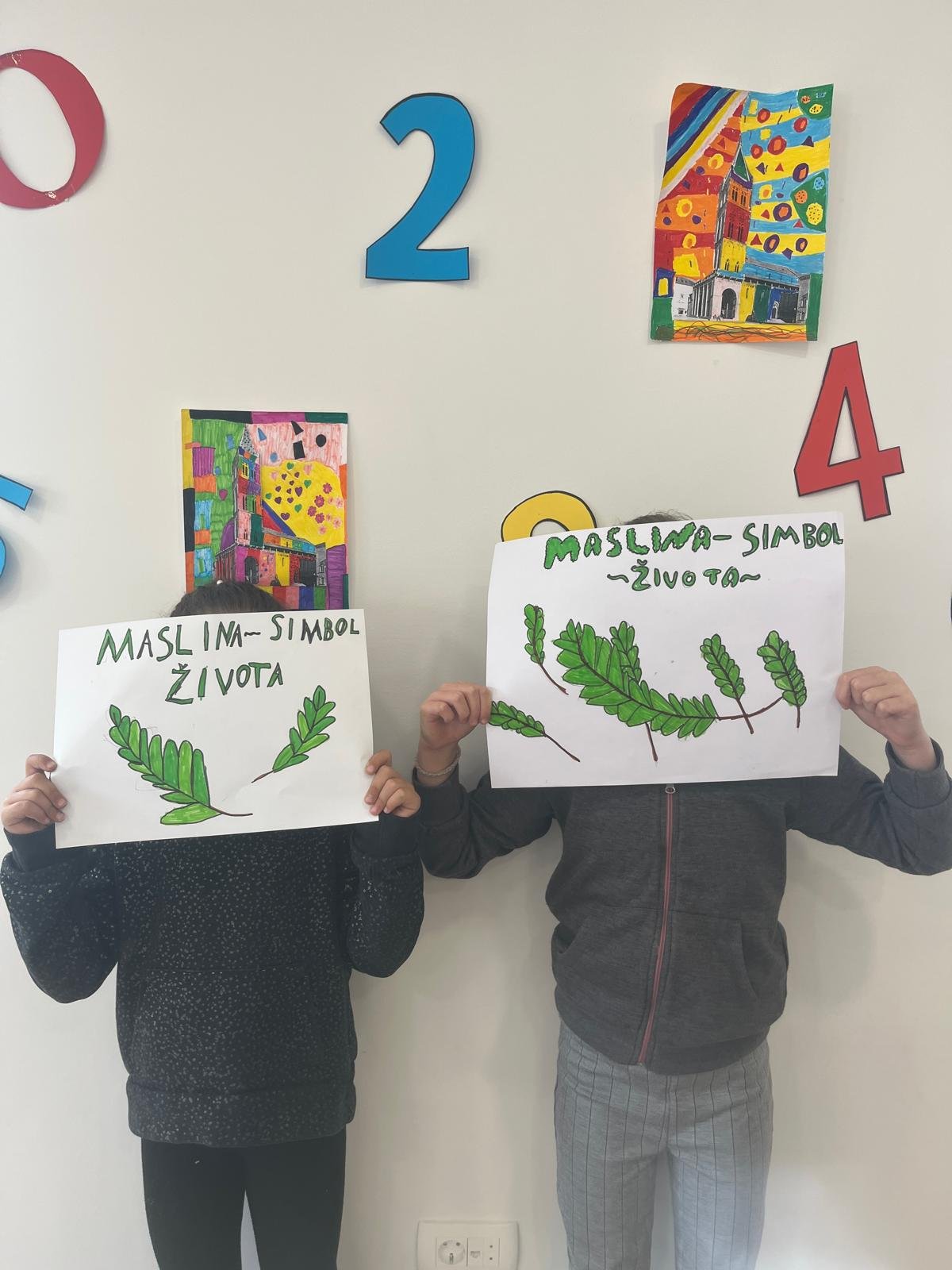
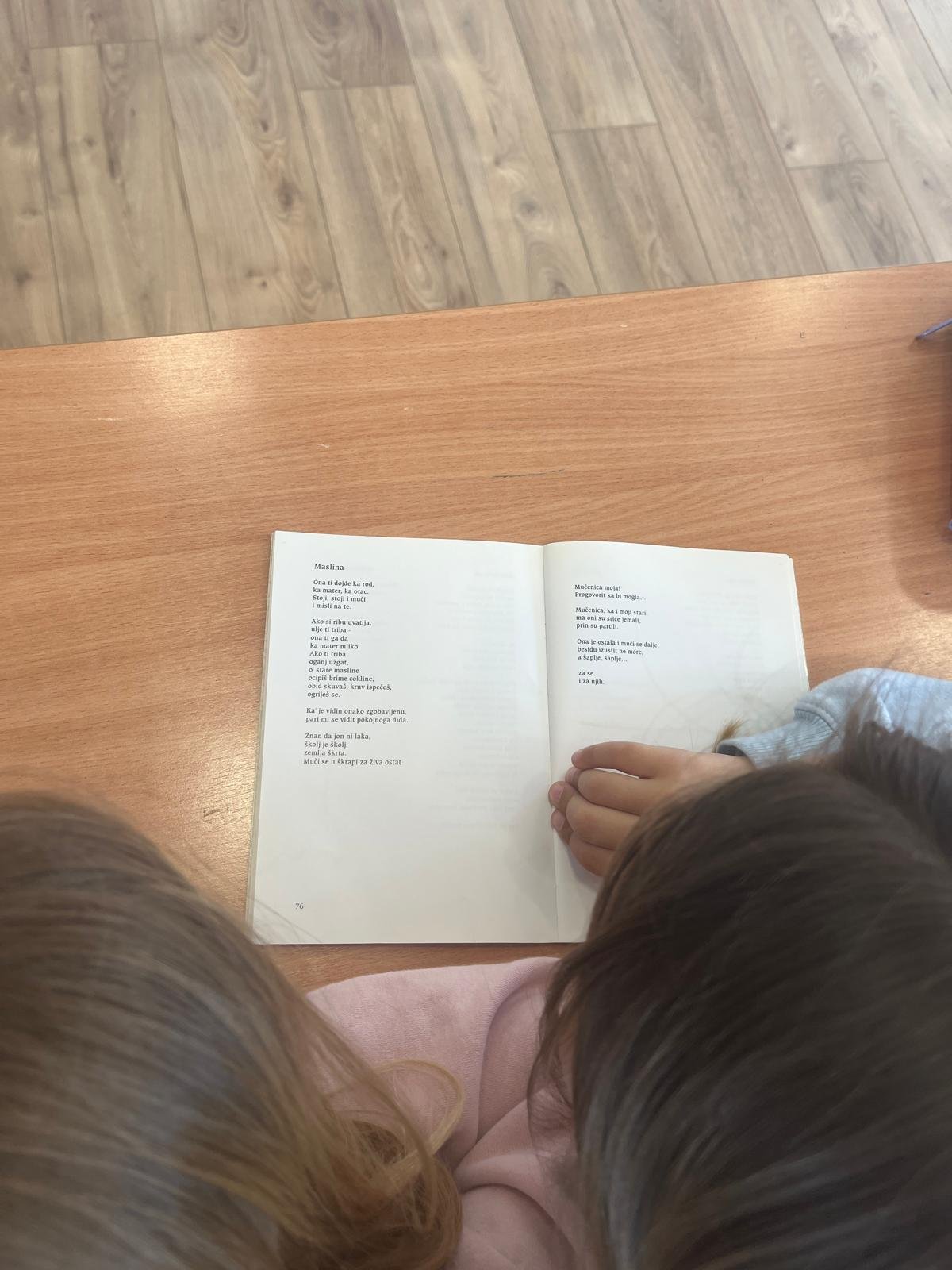
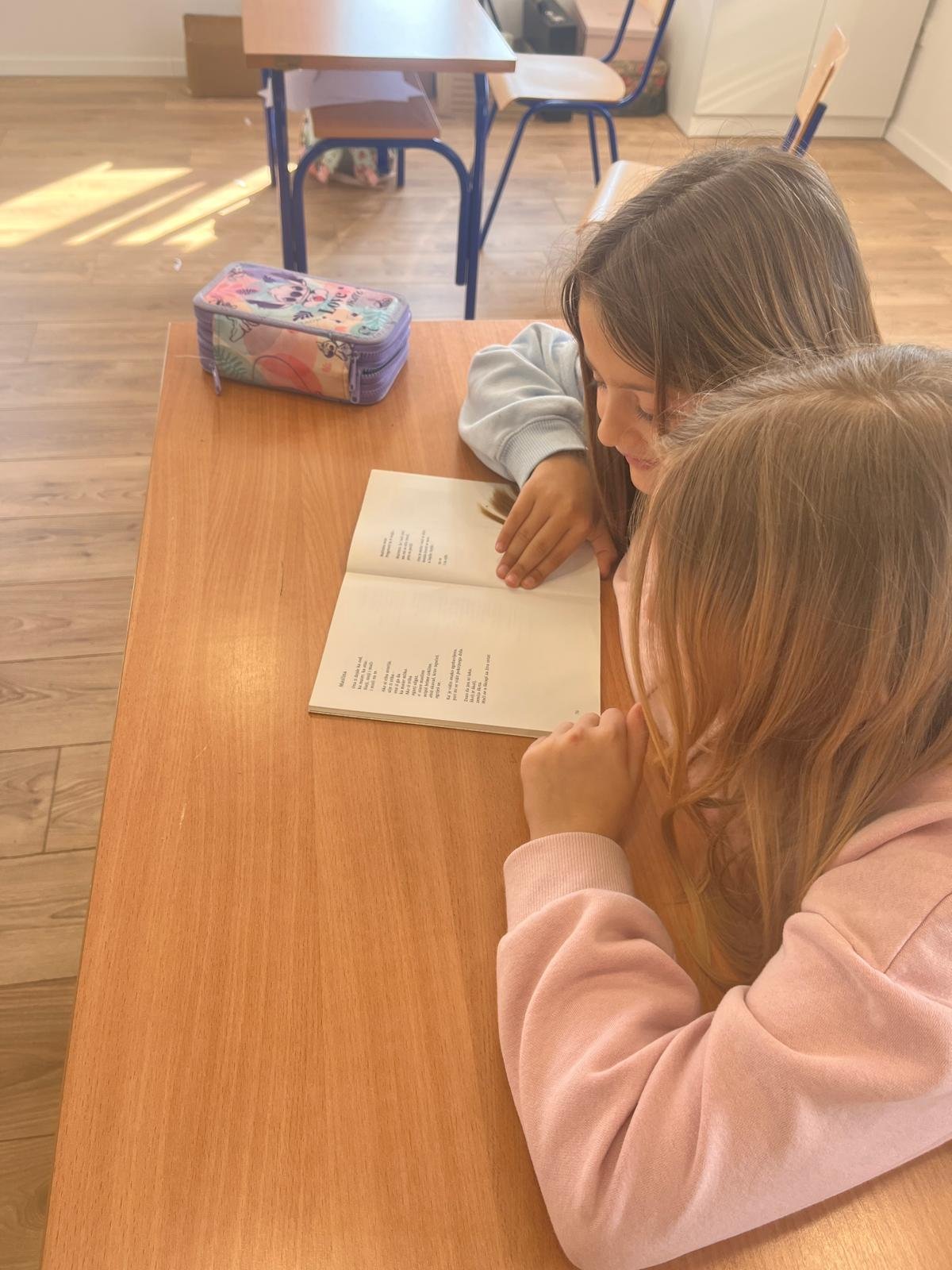
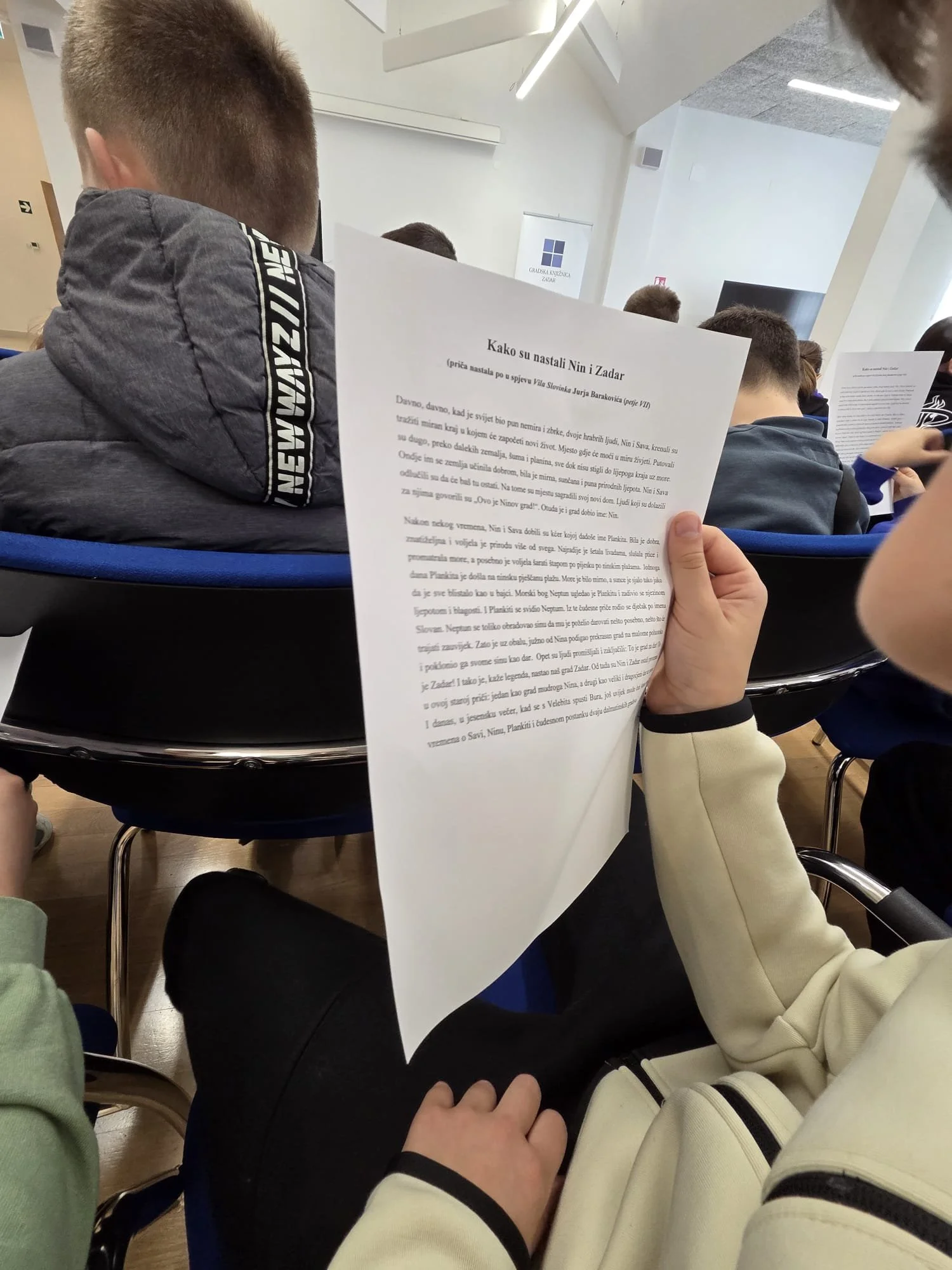
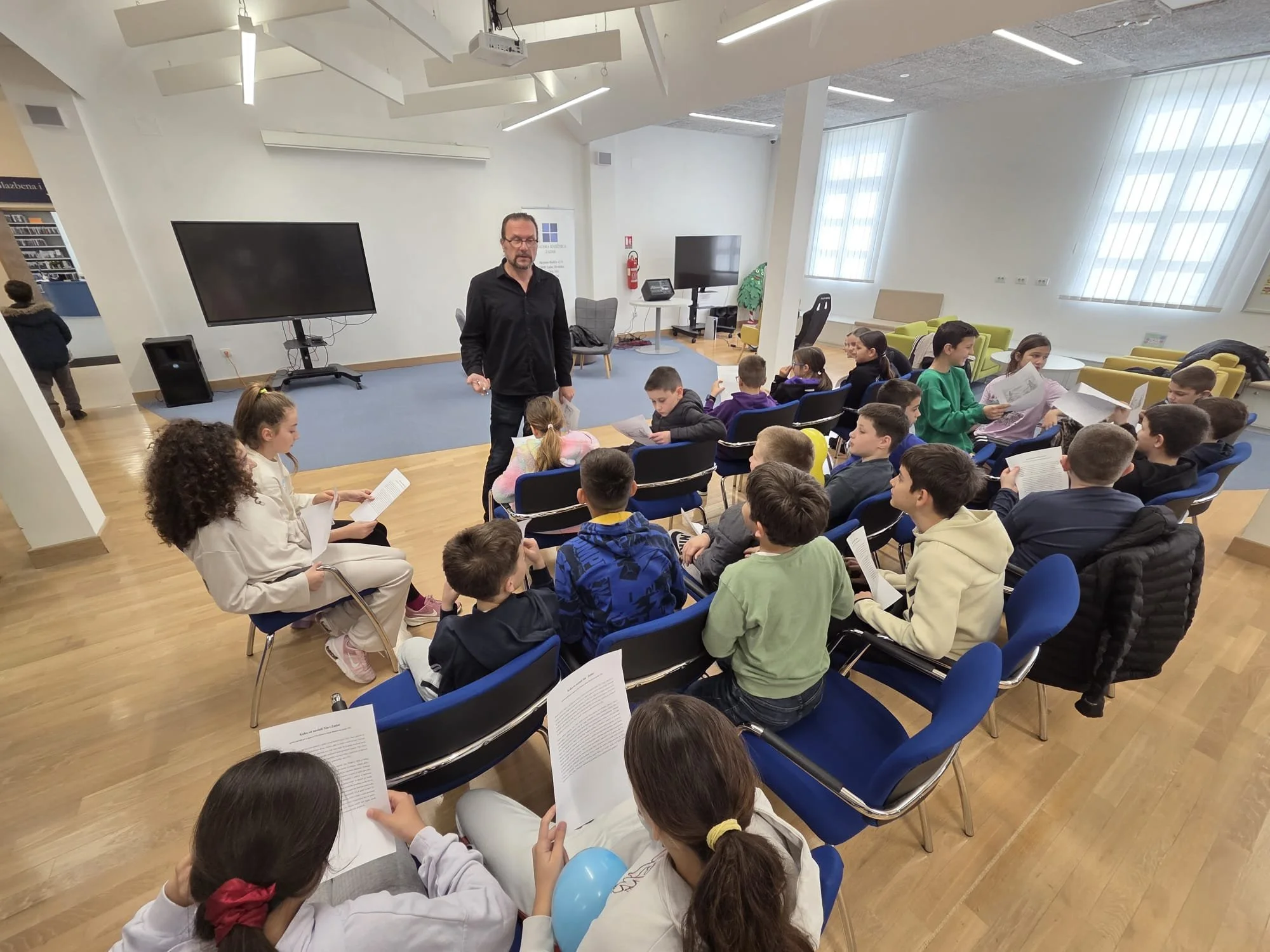
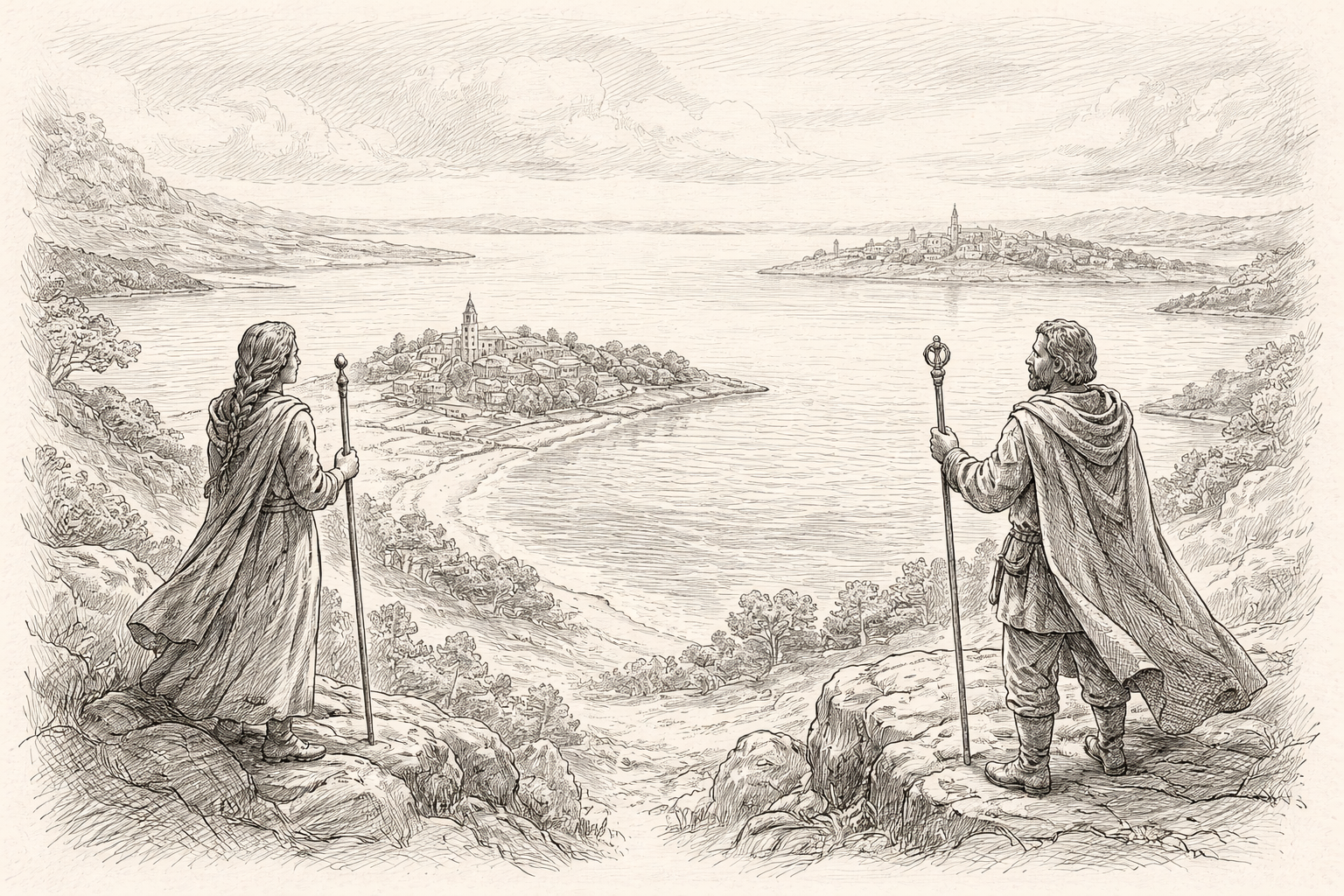
As part of STEAM Week, yesterday (11 March 2026), the workshop “Playing with a Traditional Children’s Story” was held at the Zadar City Library, organized by the Mala filozofija Association within the project TRaCE.HR – Story into Your Hands. During the workshop, we explored an old legend about the founding of the towns of Nin and Zadar. The story was taken, adapted, and reshaped for children based on the epic poem Vila Slovinka by Juraj Baraković (Canto VII), one of the important works of Croatian Renaissance literature. Through conversation, imagination, and creative activities, the participants became familiar with the intriguing characters from this old story. We now know who Nin, Sava, and Plankita are, as well as the role Neptune plays in the legend. The workshop was an opportunity for children to become acquainted with local heritage and literary tradition in a creative way, while also discovering through play how old stories can be given a new, contemporary form. The program was held as part of the project TRaCE.HR – Story into Your Hands, which encourages the exploration and creative use of traditional stories and cultural heritage.

A Philosophical Walk Towards New Insights into Mental Health

On Saturday, 7 March, a Philosophical Walk was successfully held as part of the project “Recognise, Accept and Strengthen!”. The activity brought together students at the Youth Center Zadar, from where we set off on a walk through the Voštarnica neighborhood, observing everyday spaces from a different, more reflective perspective. The aim of the walk was to encourage participants to recognize scenes, places, and situations in their surroundings that might remind them of different aspects of mental health and mental health difficulties. Through walking, observation, and conversation, the students looked for connections between what they saw in the environment and concepts related to emotions, challenges, vulnerability, support, and resilience.The special value of this workshop lay in the fact that it enabled students to talk about the important topic of mental health openly, thoughtfully, and without stigma. The Philosophical Walk proved to be an excellent way of connecting everyday life, personal experience, and dialogue, and the participants greatly enriched the activity through their observations and reflections. We would like to thank all the students for their participation, openness, and the seriousness with which they approached this topic. Activities like this are an important step in fostering understanding, empathy, and empowering young people to care for their own mental health and the well-being of their community.

Recognize, Accept, and Strengthen! - Sadness, Meaning, and the Human Experience

On Saturday, February 27, 2026, we held a workshop on mental health and critical thinking at the Youth Center Zadar as part of the project “Recognize, Accept, and Strengthen!”
The workshop titled “Sadness, Meaning, and the Human Experience” brought together high school students who, as they admitted themselves, were initially a bit skeptical. They only knew the workshop’s title and wondered if it would be a heavy and emotional session.
But the workshop surprised them.
From the very beginning, it was clear that this was not therapy nor a discussion of personal experiences. We did not delve into pathology or diagnostics. Instead, we approached sadness from a philosophical perspective as part of the universal human experience. Through interactive activities and guided discussions, the young participants reflected on questions such as:

  • What does sadness tell us?

  • Is sadness a negative emotion?

  • Can an unpleasant emotion have value?

One of the key insights we reached together was that sadness, like no other emotion, is never negative. Some emotions can be uncomfortable, but that does not mean they are bad. Sadness, like every other emotion, communicates something to us. It tells us about our current state, what matters to us, what we have lost, or what we are trying to understand. It is not there to hinder us but to help us if we know how to listen. A particularly interesting moment occurred at the end of the workshop when we asked the high school students what they had expected at the beginning. One student said, “I definitely did not expect us to talk about sadness as a friend.” This was one of the important shifts in thinking. Sadness can be our ally. It can help us process situations and events in life in a healthy way. The goal of the workshop was not to encourage sadness nor suggest that we must be sad or cry. The message was different. Emotions should not be suppressed but understood. The students especially enjoyed activities involving discussion and Socratic dialogue. Through open questions and exchanging opinions, they practiced critical thinking and reflected on mental health topics without simple, black-and-white answers. We also touched on the important question of how to listen to others when they are sad and how to support them without judgment or trying to “fix” their emotions. The workshop demonstrated how ready and capable young people are to engage in deep and meaningful reflection when provided with a safe and encouraging space. The project “Recognize, Accept, and Strengthen!” continues with activities that empower young people to better understand themselves and others because understanding is the first step toward strengthening.

TRACE.hr – A Story in Your Hands: Three Days of Education Filled with Stories, Ideas, and the Occasional Deer on Papuk

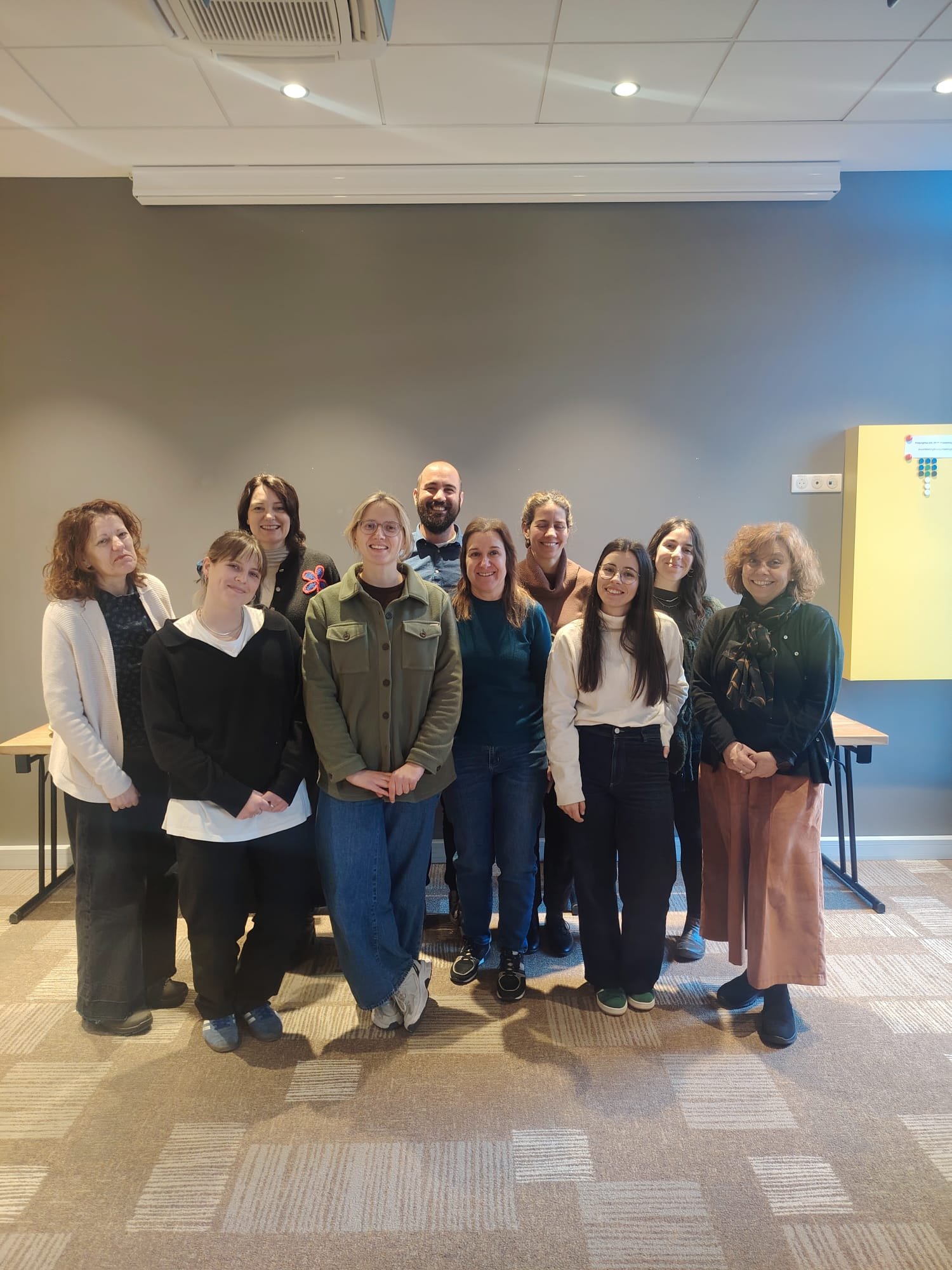
At the Education Center of the Osijek City Red Cross in Orahovica, a three-day professional training session was held as part of the TRACE.hr – A Story in Your Hands project. The event brought together 13 participants in person: teachers, volunteers, and enthusiasts of creative education. Some colleagues also joined online, presenting the work of their students from schools and libraries across Croatia.

Located on the slopes of Papuk, the education center proved to be an ideal place for exchanging experiences, new ideas, and engaging in meaningful discussions on how to transform local stories into lively and inspiring content for children. That nature here is more than just a backdrop was confirmed by the deer curiously peeking along the roadside — as if they too wanted to become part of a new legend.

More about the project on https://www.petit-philosophy.com/en-tracehr

Workshops, Experiences, and Ideas

Through workshops and presentations, participants showcased their approaches to collecting and processing stories with their students, from small schools with just a handful of pupils to larger institutions with more extensive programs. Together, they created an inspiring range of practical examples of how the project can be implemented. Ideas “leapt” out of the workshops faster than deer from Papuk, each one a wonderful opportunity for exchanging experiences and encouraging a creative approach to working with children.

An Excursion to Ružica Grad — Where Stone Preserves Legend

The final day of the seminar was marked by a hike to Ružica Grad, a preserved medieval fortress in Slavonia, located in the northeastern part of Papuk Nature Park, above Lake Orahovica. The forest trail, about 800 meters long, led participants through a landscape where snowdrops and violets heralded the arrival of spring, while woodpeckers kept rhythm with their steps toward the summit. Beneath the walls that have withstood centuries, legends came to life. One tells of fairies who once dwelled there, while another speaks of the brave Princess Ružica who, unwilling to surrender the fortress to the enemy, chose sacrifice over submission. It is said that after her death, red roses grew from the ground, giving the fortress its name. The ascent to the fortress was a symbolic conclusion to the seminar — a reminder that stories are everywhere around us, woven into landscapes, stone, and memory. 

Three days of inspiration, collaboration, and shared experiences concluded with a common reflection: stories are not merely part of the past, they are a tool for the future. And if another deer happens to appear on the way home, perhaps it is simply a sign that yet another good story awaits.

Little Guardians of Stories from Slakovci: “The Old Linden Tree and the Time Capsule”

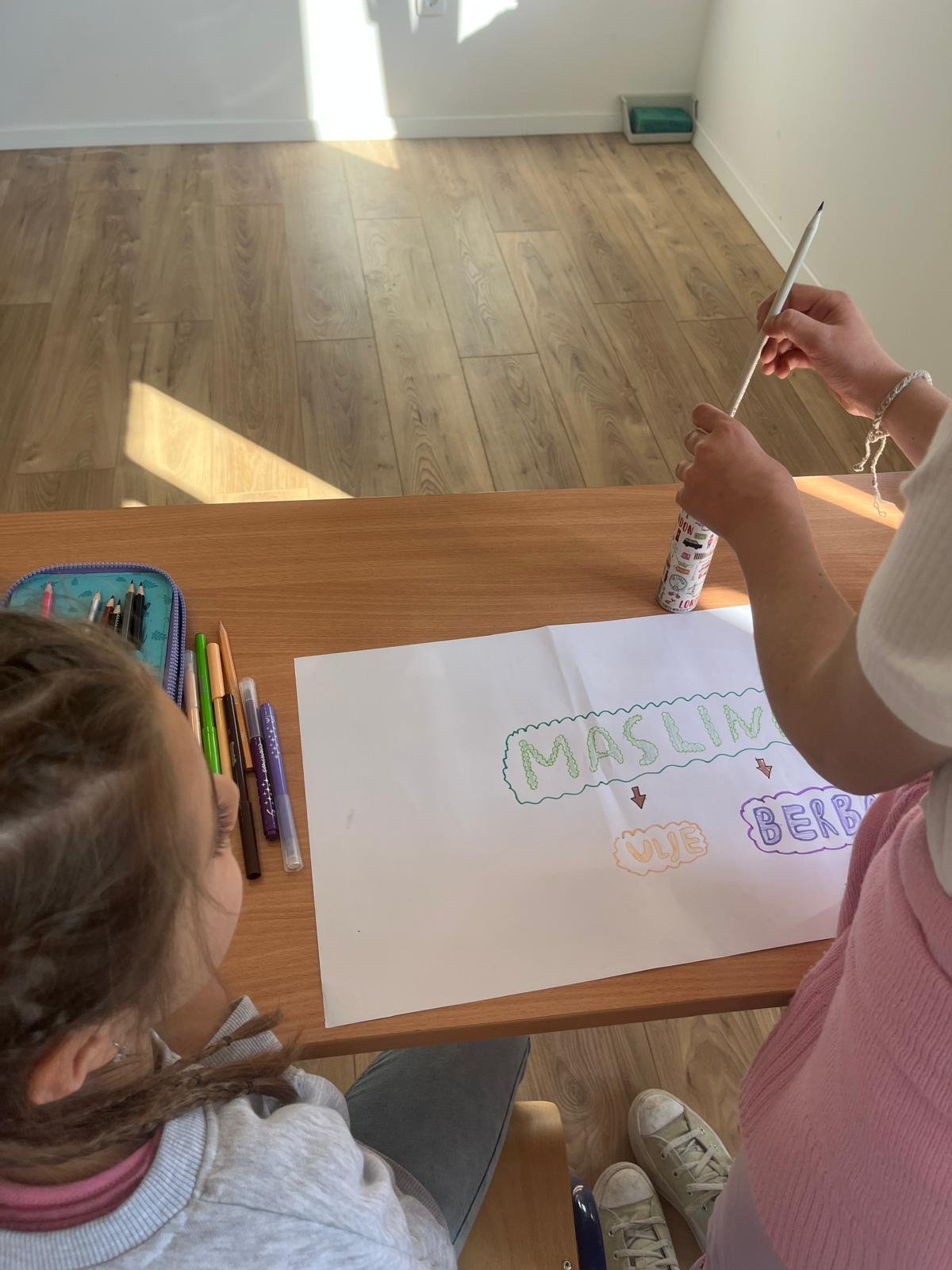
Fourth-grade pupils from Slakovci Primary School took part in a workshop within the TRACE.hr – The Story in Your Hands project, marking the beginning of their exploration of local heritage and ttraditional stories from their region. The workshop was led by school pedagogue Kristina Kulić and attended by seven pupils. Through a discussion on what local traditional stories are and how we can recognise them in our own community, the pupils shared valuable insights about the customs and past of their village. Through drawings, they illustrated how they imagined the stories told to them by adults. As a research task, the pupils were encouraged to speak with their grandparents and elderly neighbours about the stories they heard as children and about any stories connected to their place. They particularly highlighted the custom of gathering and dancing the „kolo“ (a traditional circle dance) around the old linden tree in front of the Slakovci church. According to the stories they heard, villagers traditionally gathered there at Easter to dance the kolo, and, as the story goes, a time capsule is buried beside the tree. Unfortunately, the tree itself was cut down two years ago. The workshop took place in an exploratory and stimulating atmosphere. The pupils showed interest in local heritage and spontaneously shared family memories and fragments of stories, thereby beginning the process of recognising and collecting intangible heritage in line with the goals of the TRACE.hr project.

High School Philosophy Café: Sadness, Meaning, and Human Experience

As part of the project Recognize, Accept and Strengthen!, we are organizing an interactive workshop for high school students that, through a philosophical approach, opens space for reflection on emotions, human experience, and mental health.

The workshop is focused on developing critical thinking, emotional literacy, and reflective skills. Through Socratic dialogue and interactive activities, we will explore questions such as:

  • Are difficult emotions a part of the human experience?

  • Do emotions have a purpose and meaning?

  • How can we understand our inner world?

  • Can thinking help us cope with challenges?

The workshop does not include a medical or diagnostic approach; instead, it uses philosophy as a tool for understanding universal human experiences.

Workshop goals:
• developing critical thinking
• strengthening emotional literacy
• reducing stigma related to mental health
• encouraging open and safe dialogue

The workshop is intended for high school students and will be conducted in a safe, structured, and supportive environment.

The project Recognize, Accept and Strengthen! is aimed at empowering young people through mental health education, the development of life skills, and the encouragement of personal growth.

Applications: https://forms.gle/msDvFEvHF15hx3Hd6
The workshop will take place on Saturday, February 28, from 11:30 AM to 1:00 PM at the Youth Center Zadar.

The Young Minds Training on Mental Health and Film in Teaching Held in Zadar

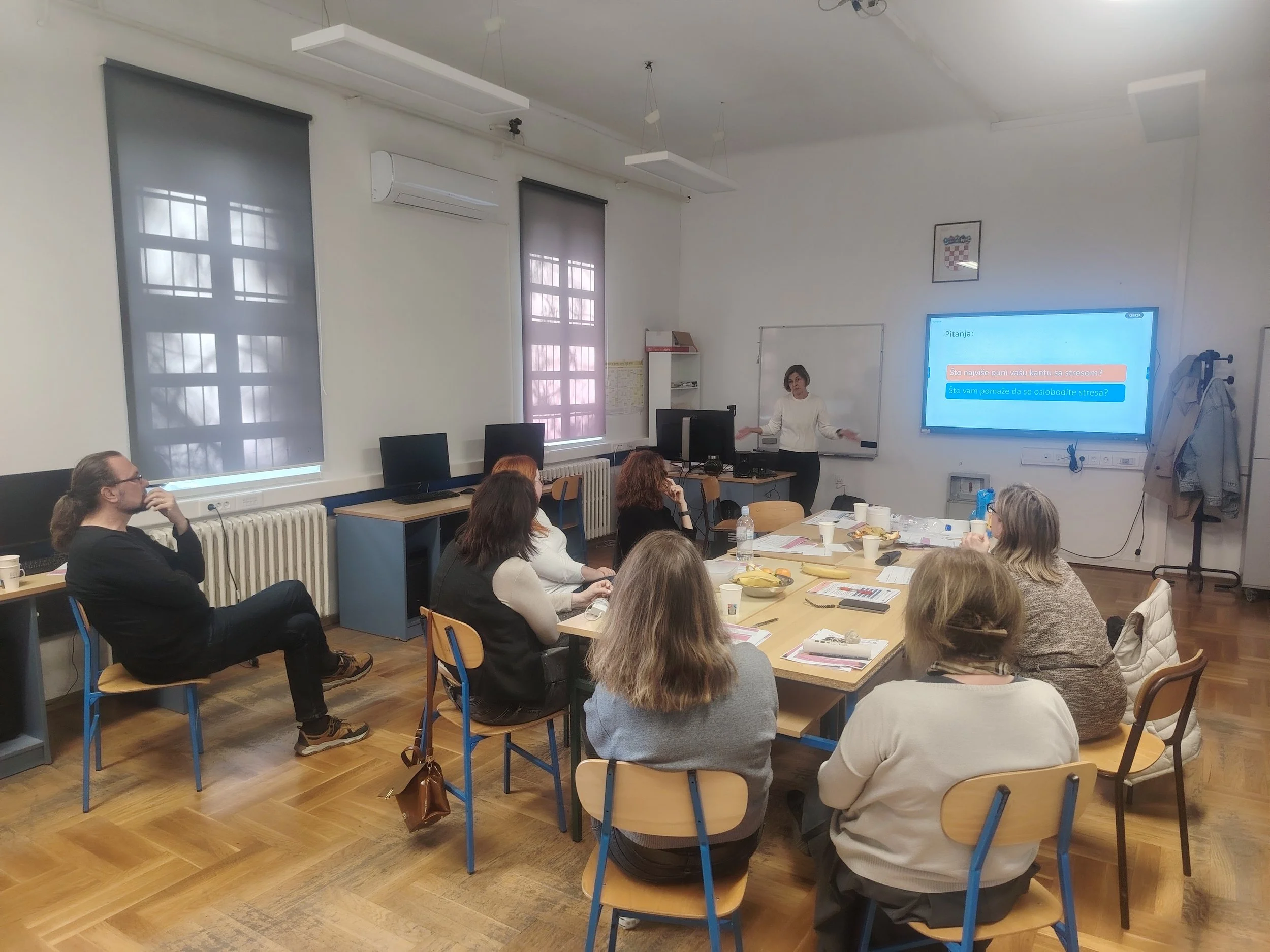
On Saturday, February 14, 2026, on Valentine’s Day, a live training session was held at the Natural Science and Graphic School Zadar as part of the ERASMUS+ project Young Minds. Alongside the association Mala filozofija, teacher Helena and psychologist Ivana from the Natural Science and Graphic School in Zadar also participated.

The training was intended for secondary school teachers and focused on youth mental health and the use of film in teaching. During the session, two modules were covered: one dedicated to understanding mental health, and the other to film as an educational tool. The aim was to empower teachers to more easily recognize students’ difficulties, provide support, and create a safe and encouraging classroom environment.

It was particularly emphasized that mental health is not a permanent state, but a process influenced by many factors — from family and society to personal experiences. Seminar participants discussed the stigma related to mental health difficulties, as well as the importance of empathy, active listening, and quality communication. Although teachers cannot influence all the circumstances in their students’ lives, they can play an important role in creating a supportive school atmosphere.

The second part of the training focused on film. Teachers were introduced to the basics of film language, such as framing, lighting, and perspective — all with the aim of using film as a stimulus for discussion and the development of critical thinking.

At PGŠ Zadar, the first activities have already begun, with students watching selected films and participating in discussions.

This training represents an important step in strengthening the competencies of teachers involved in the project. Through education and the exchange of experiences, Young Minds contributes to creating a school environment in which mental health is recognized as an essential part of young people’s overall well-being.

TRACE.hr – The Monster of Kaštela Bay Comes to Life in Vitturi Castle

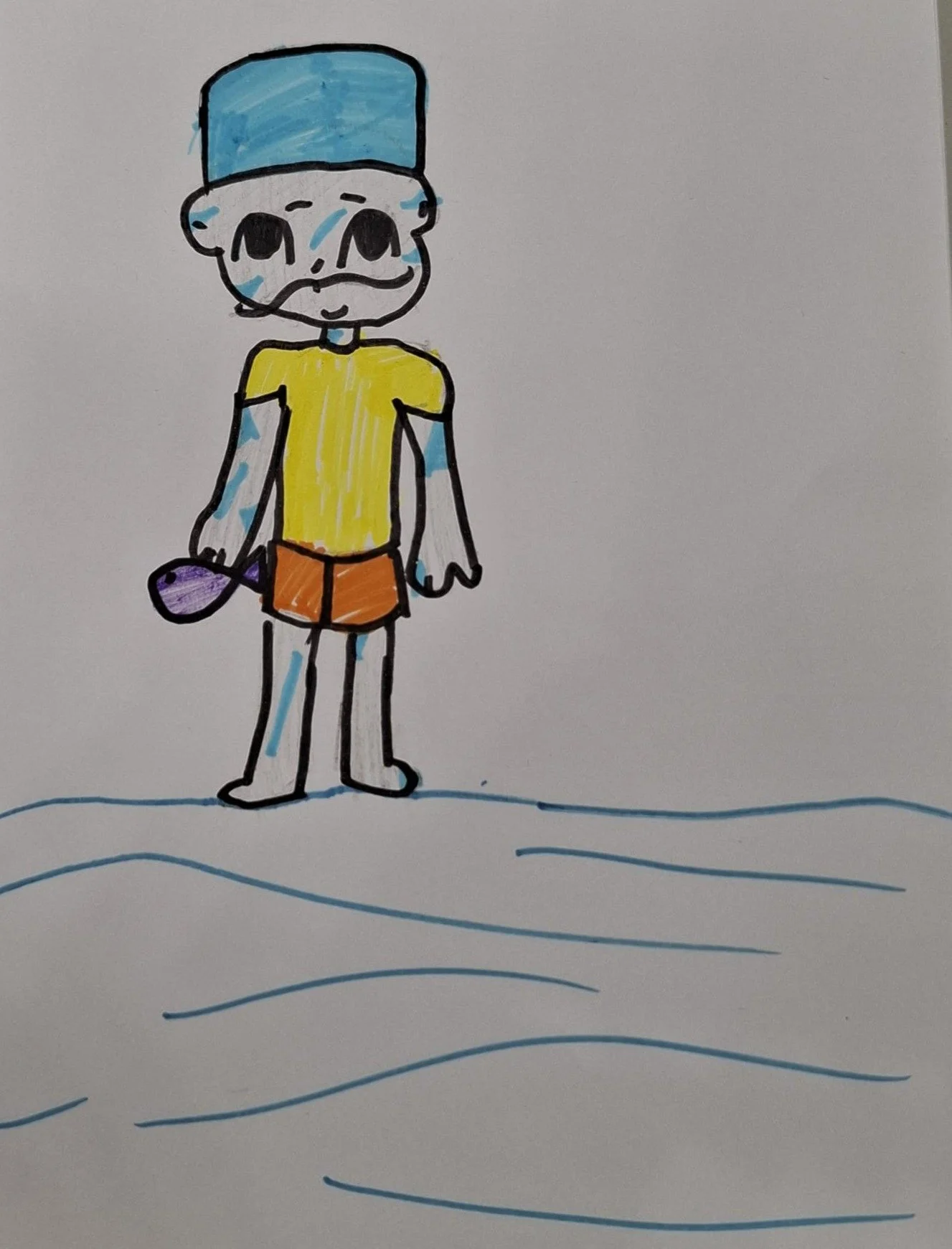
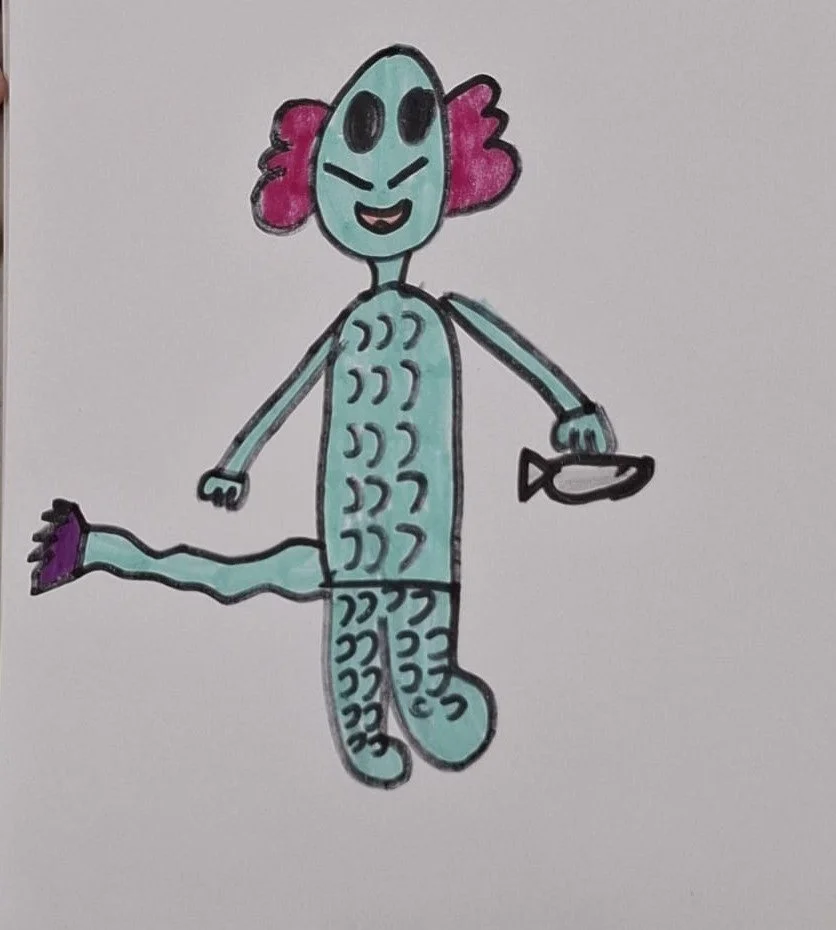
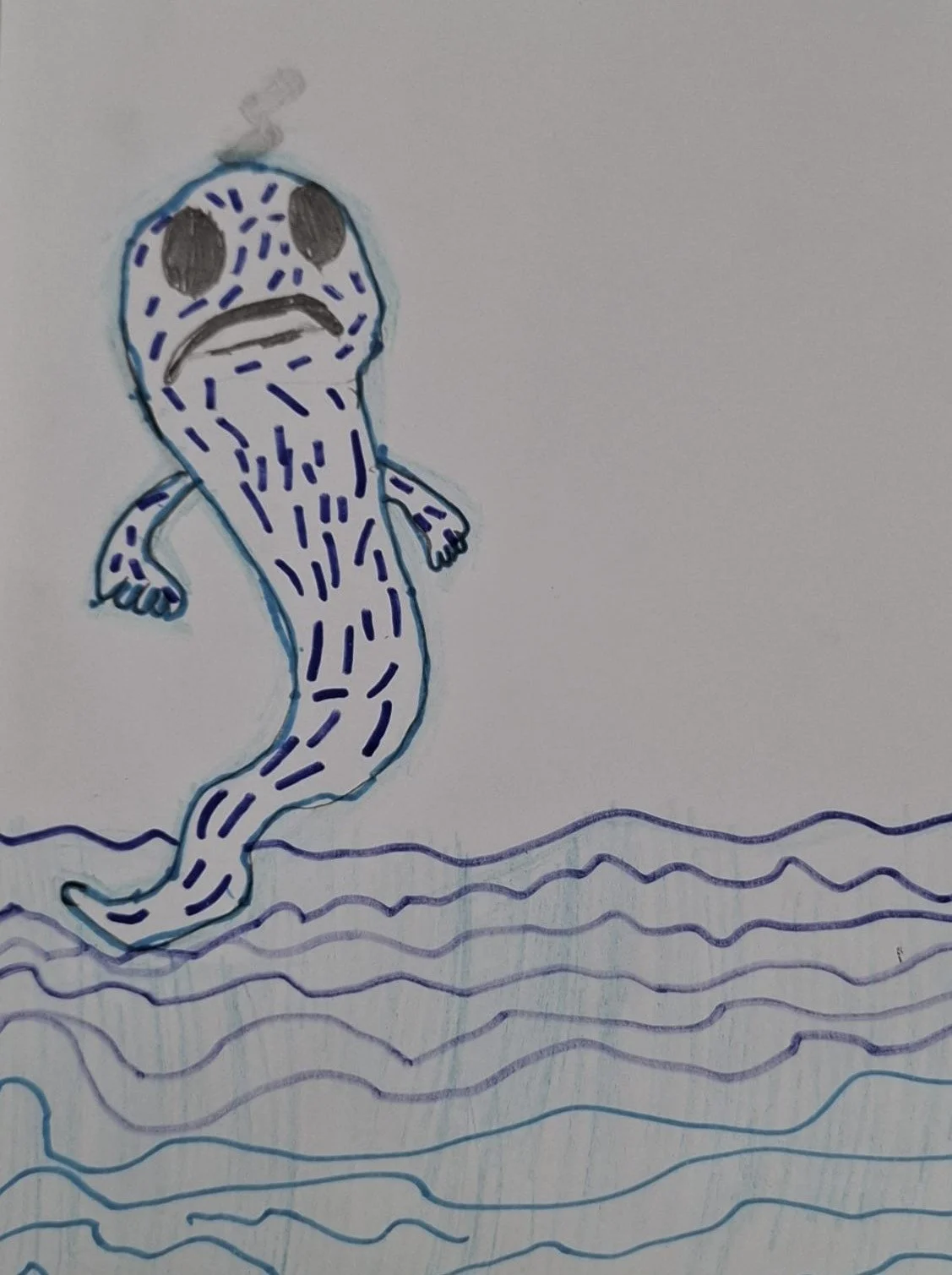
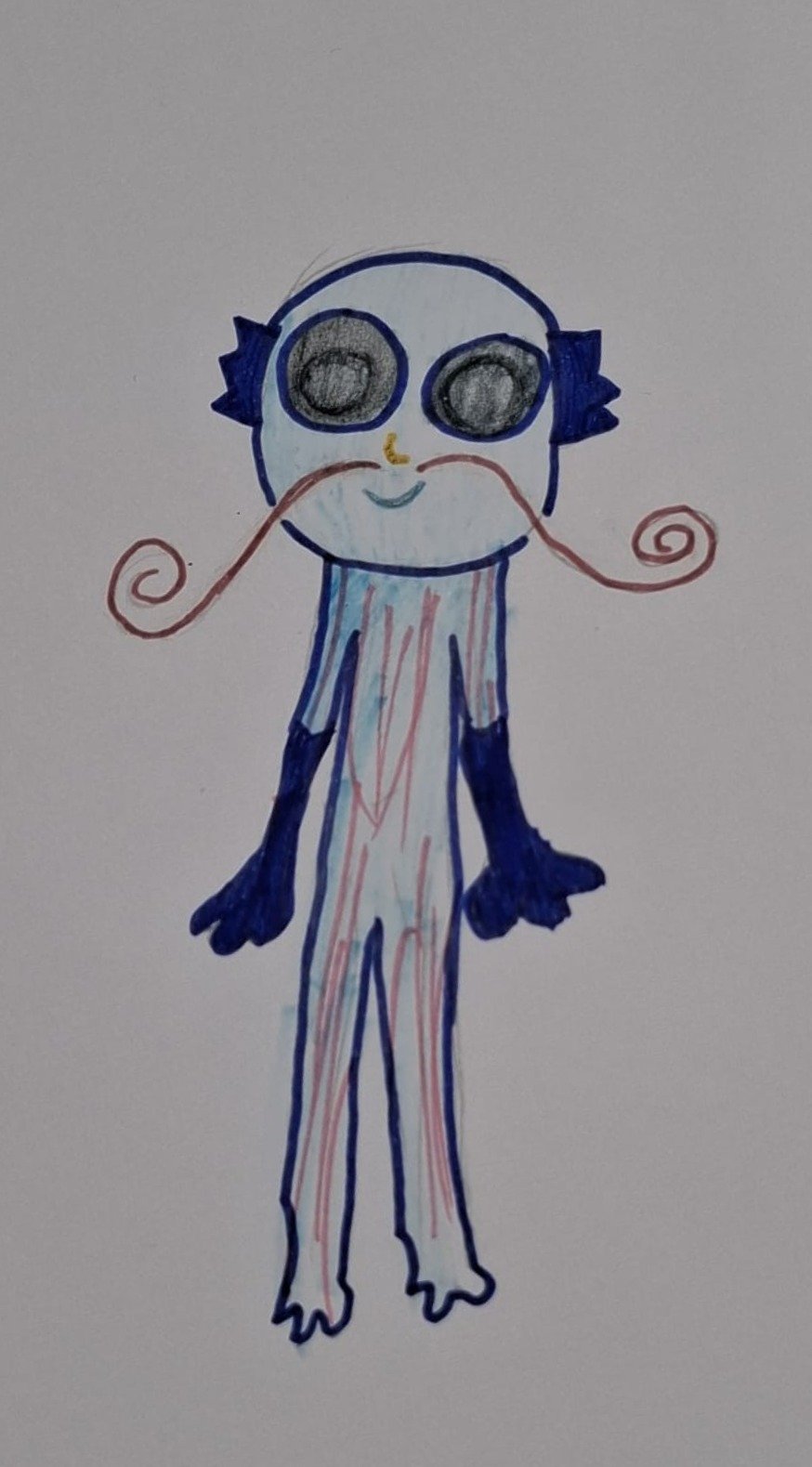
The Children’s Department of the Kaštela City Library, located in the historic Vitturi Castle, was filled with curiosity and creative energy from sixth-grade students of Ostrog Elementary School, who attended a philosophy workshop accompanied by their school librarian. The workshop was organized by the association Mala filozofija.

The workshop took place on Thursday, February 12, as part of the TRACE.hr project, which connects children with local cultural heritage and encourages critical thinking through forgotten local stories. The children read an old legend about the “monster of Kaštela Bay,” inspired by the writings of the 15th-century traveler Pero Tafur, who recorded that the washerwomen of Kaštela had seen a “monster shaped like a half-fish from the waist down, and from the waist up human in form, with wings like a bat.”

The discussion that followed raised questions about fear of the unknown, the origins of legends, and how something that appears frightening may in fact be misunderstood and harmless.

In the final part of the workshop, the children discovered that the “sea monster” was actually the Mediterranean monk seal — once a common inhabitant of the Adriatic Sea, locally known as the “sea man.” A special creative moment was the joint imagining and drawing of their own “monsters.” Both the children and the librarians joyfully participated in creating imaginative creatures.

The workshop demonstrated how combining cultural heritage, philosophy, and creativity can encourage children to think critically, develop empathy, and realize that the unknown does not always represent a threat, but rather an opportunity for understanding and learning.

Call for Secondary School Teachers to Participate in the Young Minds Project

Dear colleagues,
The association Mala filozofija, as the lead partner of the Young Minds project within the Erasmus+ KA2 programme, invites you to a specialized training intended for secondary school teachers. The project runs from October 2024 to March 2027 and aims to improve teachers’ skills in the area of mental health by using European films as an innovative and engaging educational resource.
The goal of the project is to foster critical thinking and empathy among students, reduce the stigma associated with mental health, and equip teachers with innovative teaching methods.

Teacher training will take place from January 2026 to mid-March 2026 and consists of three interconnected modules:

1. Mental Health

  • How to conduct workshops on mental health in the classroom

  • How to recognize students’ needs and safely facilitate discussions

  • Working with the Young Minds handbook and prepared teaching materials

2. Critical Thinking

  • Introduction to critical thinking methods

  • Practical techniques teachers can apply in the classroom

  • Developing students’ communication and analytical skills

3. Film Literacy and Filmmaking

  • How to guide students through the process of making short films about mental health

  • Basic techniques of filming, scriptwriting, and visual storytelling

  • Using film as a tool for expression and destigmatization

The training includes three forms of work:

Online webinars
Interactive sessions with trainers and experts in mental health, critical thinking, and film art.

Self-paced learning
Teachers receive prepared materials (guides, video lessons, manuals) to work through at their own pace.

In-person workshops at PGŠ Zadar
Practical workshops with exercises, simulations, and preparation for implementing activities in classrooms.

Applications:
Send to mala.filozofija@gmail.com (the number of participants is limited)

What is expected from teachers

  • Participation in all parts of the training (online, self-paced, in-person)

  • Implementation of the prepared workshops in their own classrooms during spring and autumn 2026

  • Cooperation with the project team and partner schools

  • Participation in programme evaluation

Participation is free of charge, and all teachers will receive a certificate of completion as well as access to all educational materials.

More at:

https://youngmindsproject.eu/
https://www.facebook.com/p/Young-Minds-61572229677301/
https://www.instagram.com/young_minds2025/
https://www.petit-philosophy.com/hr/young-minds

Mala Filozofija Association Seeks Administrative Secretary in Zadar

The Mala Filozofija Association is hiring a full-time administrative secretary. We are looking for a responsible, well-organized, and communicative person who wishes to work in a dynamic environment and take part in implementing educational, cultural, and research projects.

Job description:

  • Administrative and office support for the Association’s work

  • Communication with partners, collaborators, and institutions

  • Preparing and managing project activity documentation

  • Coordinating meetings, travel, and events

  • Updating databases and archives

  • Basic financial and administrative tasks

Requirements:

  • Secondary school, two-year college, or university degree (preference for administrative, economics, or social science fields)

  • Excellent organizational and communication skills

  • Reliability, independence, and accuracy in work

  • Good computer skills (Word, Excel, e-communication)

  • Advantage: experience in administration, project documentation, or EU-funded projects

We offer:

  • A 2-month trial period

  • Possibility of continued employment and professional development

  • Supportive and collaborative work environment

  • Work within an organization dedicated to developing critical thinking, philosophy for children, and innovative educational programs

Application:
Send your CV and a short motivation letter to: mala.filozofija@gmail.com
The call is open until November 21, 2025.

November 14, 2025